"Some tourist information"
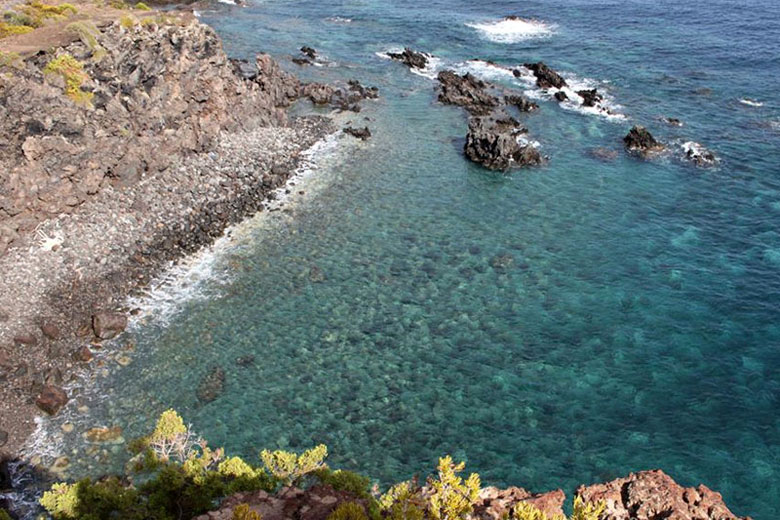
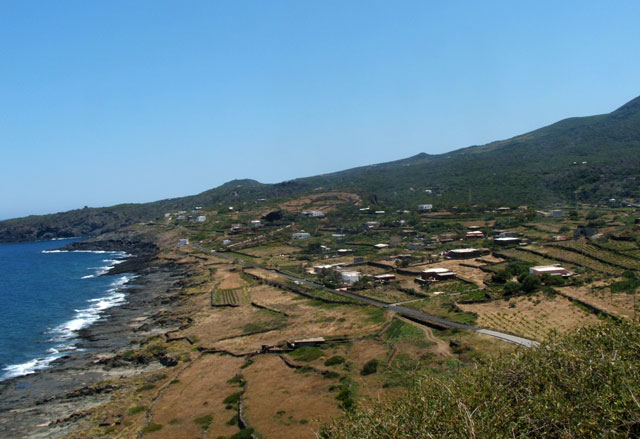
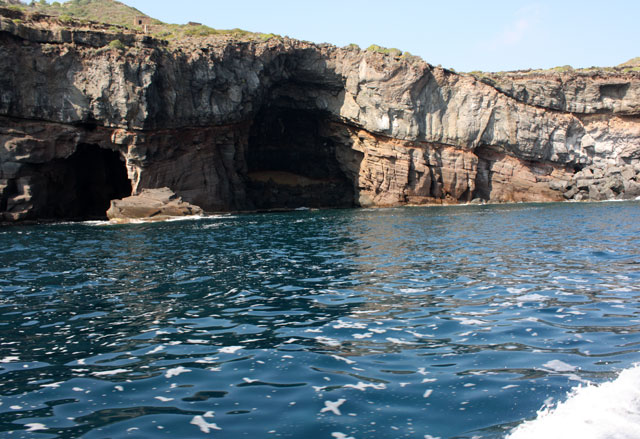
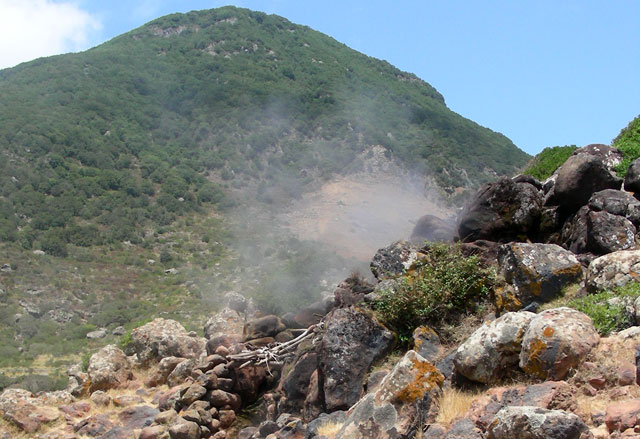
In a small patch of land, we find a bit of everything, caves and faults, thermal springs and favare (natural emissions of water vapor), plateaus and volcanic lakes. The island is varied but above all beautiful. Of a beauty that immediately captivates you due to these dark rocks that hide within the greenery, due to the vegetation that the wind keeps low, due to the still discreet buildings (and we hope that they remain so) that dot the landscape without distorting it, characterized by the white lime domes: the dammusi.
We love this island because of its vineyards. Without poles, without wires, without espaliers, the Pantelleria vineyard is a primordial vineyard, it would almost seem wild and spontaneous if these little trees, which just emerge from their underground pit, were not so regular. Tufts of leaves protected by the sandy soil make the landscape unique.
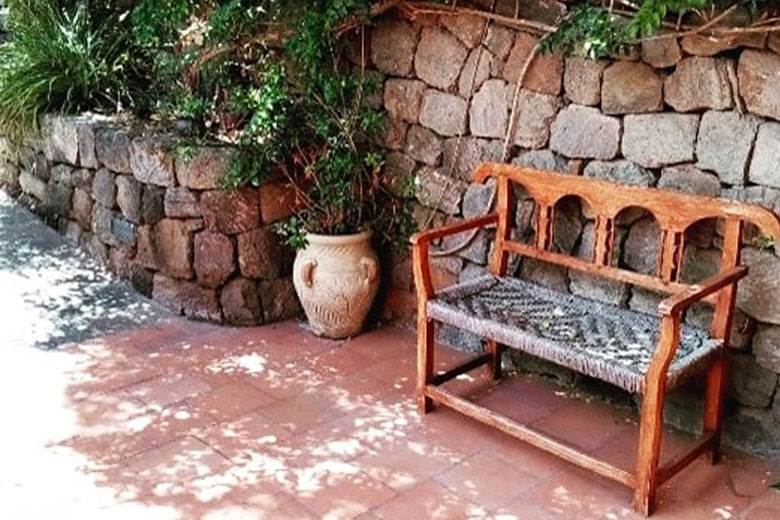
The Mueggen plateau is the best example of the genre, a gigantic "vegetable garden" of vines, plowed not by animals or tools but by the hand of man who over the centuries has designed with sweat and work the thousands of kilometers of these dry stone walls, terraces, the curves and folds of this enchanting landscape.
The lack of springs and cisterns to store rainwater.
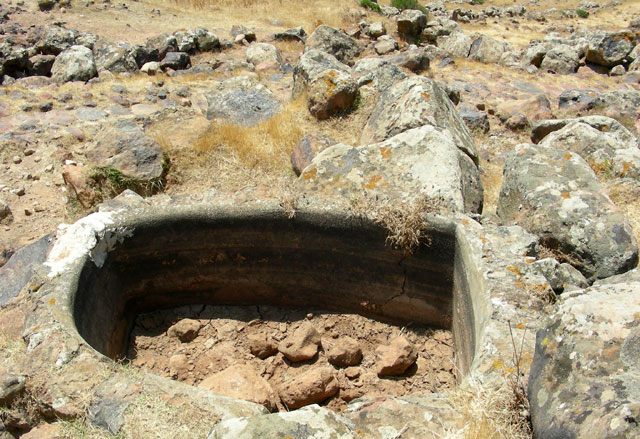
Wine has always been the protagonist of the island, but the real problems have always come from the water. The various civilizations that followed one another on the island solved them with incredible sagacity, first of all the Phoenicians. Their system of cisterns and channels to collect, not waste and conserve rainwater is not only admirable, but extremely efficient.
The Phoenicians scattered the island with hundreds of cisterns glazed with shard paste and obsidian. A system that allowed the survival of the population, the spread of agriculture and which still works perfectly today.
In recent decades, technology has come to grips with the problem and the sea water desalination plant certainly represents one of the most significant changes to life on the island, allowing a strong presence of summer tourism without too many problems, but the tanks still work and in some more remote areas of the island they are still the essential cornerstone for keeping the original agricultural fabric alive.
Pantelleria is an island of farmers where land is preferred to the sea, where the perimeter road generally passes high and far from the coast, and the few (and generally ugly) hotels, with a few exceptions, are in inhabited centers or halfway up the coast.
Here again the dammusi are dispersed in the greenery and rarely reach the sea, and agriculture remains more important than fishing.
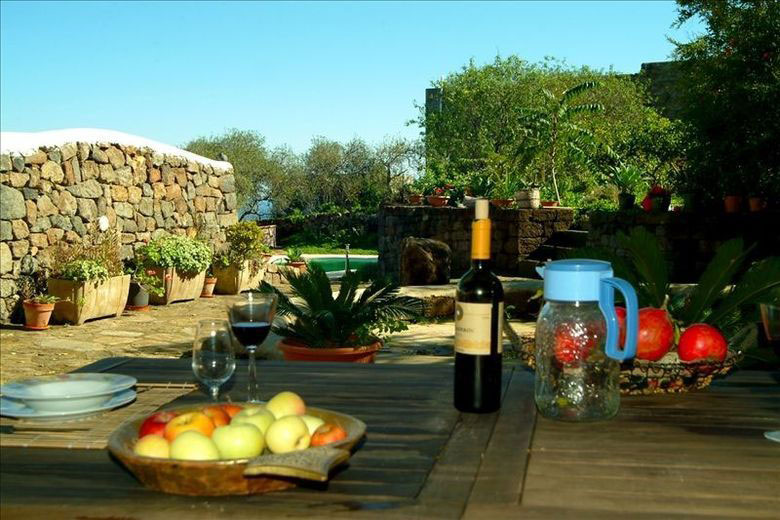
One of the most loved dishes is rabbit and above all the thousand vegetables that the gardens offer in the various seasons. Vegetables that struggle to grow due to little water, but are full of sun and flavour. Try the typical dishes, but not so much the shellfish and grouper (also delicious), but the rabbit, and even better the "sciakisciuka" a hot mix of vegetables cooked in the oven, the "cucurumma" based on courgettes and so on.
Obsidian has made the fortune of Pantelleria for millennia. Hard rock with sharp edges, black and often translucent, it has been the raw material of work tools for millennia.
Today these stones mark the fields for thousands of kilometres, defining the routes and borders, the thousands of plots. The property is divided as much as possible, each farmer has his own vegetable garden, his own wine, born as a food for the cold seasons.






Beautiful dammusi and apartments in Pantelleria
Location of the Resort La casa dei fiori and map
You will breathe the atmosphere of home and you will be immersed in the luxuriant nature of Pantelleria
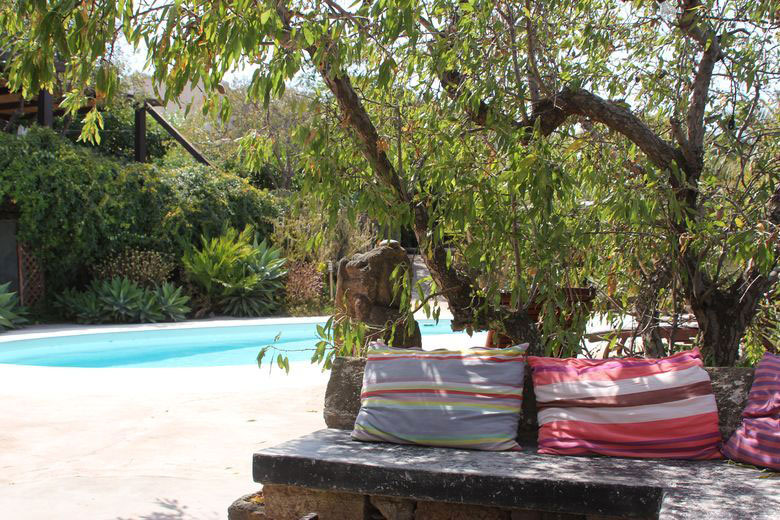
Composed of 4 independent dammusi, inserted in a charming and vast garden with swimming pool overlooking the sea, the Resort La casa dei fiori of Pantelleria is the ideal place for your holidays on the island of Pantelleria.